
Our Blog

If If your dog ingests THC, call Happy Tails Emergency Veterinary Clinic right away and keep your dog calm and safe while you seek help. Dog THC toxicity is more common than many pet owners realize, especially as THC-infused edibles, oils, and flower become more widely available in households across North Carolina and beyond. Whether…

Cat-safe flowers are something every cat owner should research before buying a Valentine’s Day bouquet. Many of the most popular flowers given and received on Valentine’s Day are actually toxic to cats, and the consequences of ingestion can be severe. Before you bring fresh flowers into your home this February, here’s what you need to…

Xylitol poisoning in dogs happens when a dog eats a product sweetened with xylitol, a sugar substitute that causes a rapid, dangerous drop in blood sugar and can lead to liver damage. This makes xylitol poisoning in dogs a true medical emergency, even when only a small amount has been consumed. At Happy Tails Emergency…

Hypothermia in cats occurs when a cat’s body temperature drops to a dangerously low level and the body can no longer generate enough heat to function normally. It’s a genuine medical emergency that can develop more quickly than many cat owners expect, and it’s not limited to outdoor or feral cats. Knowing the signs of…

The dangers of snow-melting salt on dog’s paws are something every pet owner should understand before winter arrives. Ice melt and road salt are applied liberally to sidewalks, driveways, and parking lots throughout the cold weather season, and your dog walks right through it. What seems like a harmless convenience for humans can be a…

Frostbite on dog paws is a real and serious risk during cold weather, and it can happen faster than most pet owners expect. When temperatures drop and your dog spends time outside on frozen ground, snow, or ice, the tissue in their paws is vulnerable to freezing. Knowing the signs of frostbite on dog paws…

Imagine this: you’re enjoying a quiet afternoon with your dog, when suddenly, they start pacing around, drooling excessively, and seem unable to settle down. Their stomach looks unusually swollen, and they’re trying to vomit but nothing comes up. In that moment, panic sets in as you realize something’s wrong, but what is it? This could…

A urinary blockage in cats is a serious, potentially life-threatening condition that requires prompt medical attention. This blockage prevents the normal flow of urine, causing painful and potentially dangerous complications. As a pet parent, it’s crucial to recognize the signs and symptoms early, understand what causes urinary blockages, and know the treatment options available. In…
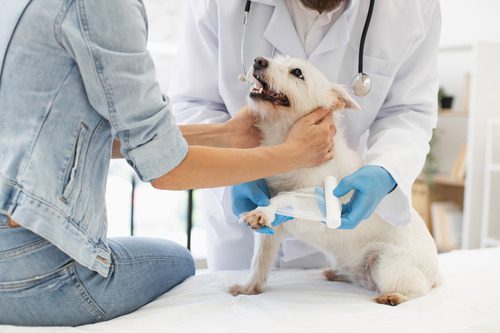
When your dog experiences a burn injury, whether from fire, chemicals, or hot surfaces, it can be both distressing and frightening. Burns in dogs require quick and careful attention to ensure that the injury does not worsen and that your pet’s recovery is as smooth as possible. Below, we’ll guide you through the key steps…

Finding blood on your dog’s ear can be alarming, and it’s natural to feel concerned. Whether it’s from scratching, an infection, or an injury, a bleeding ear requires attention. In this blog, we’ll explore what could be causing your dog’s ear to bleed and what steps you should take to ensure their comfort and health.…