
Cat-Safe Flowers: Keep Your Cat Safe This Valentine’s
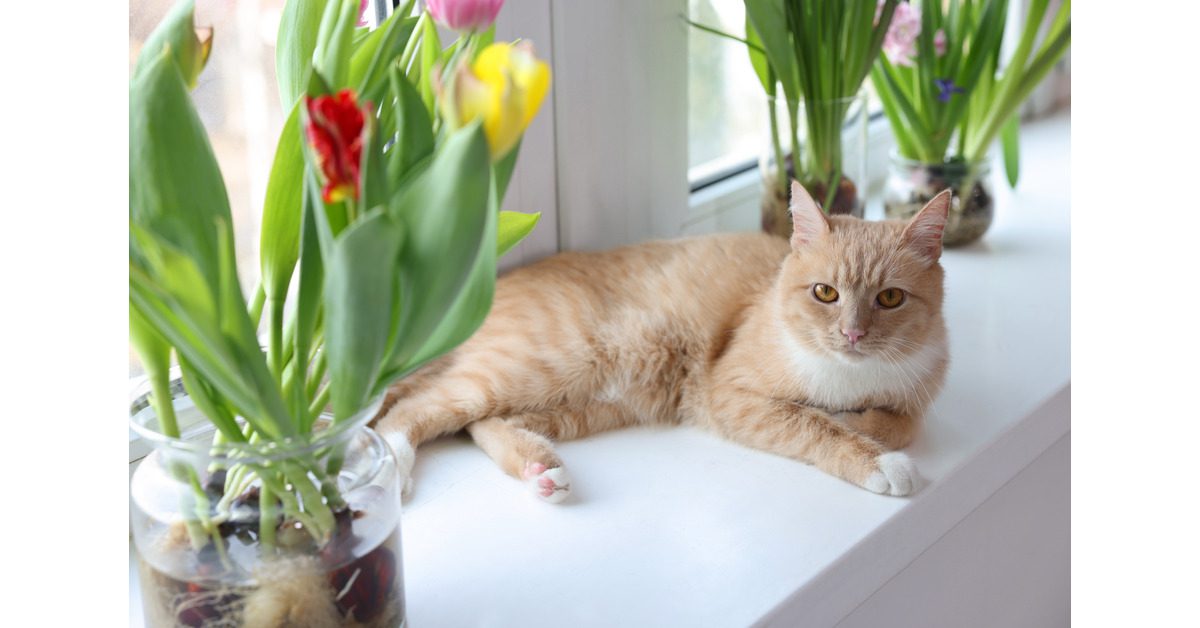
Cat-safe flowers are something every cat owner should research before buying a Valentine’s Day bouquet. Many of the most popular flowers given and received on Valentine’s Day are actually toxic to cats, and the consequences of ingestion can be severe. Before you bring fresh flowers into your home this February, here’s what you need to know to celebrate safely with your cat by your side.
Why Valentine’s Day Flowers Are a Risk for Cats
Cats are curious by nature, and fresh flowers are exactly the kind of thing that captures their attention. They chew on stems, bat at petals, and sometimes nibble leaves, all behaviors that can lead to toxic plant ingestion if the flowers in your home are not cat safe. Valentine’s Day is one of the most common times of year for cats to be exposed to toxic plants, simply because flower deliveries increase dramatically and bouquets are left on counters, tables, and in easily accessible areas.
The stakes are especially high with certain popular flowers. Lilies, for example, are one of the most dangerous plants a cat can encounter. Even minor exposure to true lilies can cause acute kidney failure in cats, and the toxicity extends to pollen, water from the vase, and every part of the plant.
Flowers That Are Toxic to Cats
Understanding which flowers are dangerous is just as important as knowing which ones are cat friendly. The following popular Valentine’s flowers are toxic to cats and should be kept out of any home with a feline:
- Lilies (all true lilies and day lilies): Highly toxic and potentially fatal; can cause acute kidney failure with even small exposures
- Tulips: The bulb is the most toxic part, but all parts of the plant can cause vomiting, drooling, and lethargy in cats
- Hyacinths: Contain alkaloids that cause intense gastrointestinal distress and, in severe cases, tremors
- Daffodils: Toxic to both cats and dogs; can cause severe vomiting, diarrhea, and cardiac arrhythmias
- Baby’s breath: Mildly toxic and often used as filler in bouquets; can cause vomiting and diarrhea in cats
- Chrysanthemums: Contain pyrethrins that are toxic to cats and can cause drooling, vomiting, incoordination, and skin irritation
If you receive a floral arrangement and are unsure about its contents, keep it out of your cat’s reach until you can identify every flower in the bouquet. When in doubt, placing flowers in a room your cat cannot access is always the safest option.
Cat-Safe Flowers for Valentine’s Day
The good news is that there are genuinely beautiful, cat-safe flowers you can choose for Valentine’s Day that won’t put your pet at risk. If you’re shopping for flowers or making a request, here are some of the best cat-friendly options:
Roses
Roses are the quintessential Valentine’s flower, and they’re considered non-toxic to cats. While eating rose petals may cause mild stomach upset, roses are not classified as a toxic plant for felines. Do remove thorns before displaying roses in a home with a curious cat to prevent injury.
Orchids
Orchids are an elegant and cat-safe flower choice. Phalaenopsis orchids, one of the most common varieties available at florists and grocery stores, are listed as non-toxic to cats by the ASPCA. They make a stunning and long-lasting alternative to traditional bouquets.
Sunflowers
Sunflowers are bright, cheerful, and safe for cats. They’re a wonderful option for adding a splash of color to a Valentine’s arrangement without introducing toxic plants into your home. Note that while the sunflower itself is non-toxic, some varieties of related plants (like Prairie Sunflower) may differ, so confirm with your florist.
Snapdragons
Snapdragons are another cat-friendly flower that works beautifully in mixed arrangements. They’re considered non-toxic to cats and dogs, making them a smart choice for multi-pet households. Their dramatic, tall blooms pair well with roses for a full, romantic Valentine’s bouquet.
Lisianthus
Lisianthus, sometimes called prairie gentian, is a delicate, rose-like bloom that is safe for cats. It’s increasingly popular in Valentine’s floral arrangements for its elegant appearance and is a great substitute for flowers that pose a toxicity risk.
What to Do If Your Cat Ingests a Toxic Flower
Even with the best precautions, cats sometimes get into things they shouldn’t. If you suspect your cat has eaten part of a toxic flower, don’t wait for symptoms to develop. Contact an emergency veterinarian immediately.
Signs that your cat may have ingested a toxic plant include:
- Vomiting or retching
- Drooling excessively
- Lethargy or weakness
- Loss of appetite
- Tremors or muscle twitching
- Changes in urination (especially with lily exposure)
If you see your cat interacting with lilies specifically, contact a veterinarian immediately even if your cat appears fine. Lily toxicity in cats can cause severe kidney failure within 24 to 72 hours, and early intervention dramatically improves outcomes.
When to Go to the Emergency Vet
Happy Tails Emergency Veterinary Clinic in Greensboro, North Carolina is available around the clock to help cats who have been exposed to toxic plants. If you’re unsure whether what your cat ate is dangerous, call the clinic rather than waiting. When it comes to lily toxicity especially, every hour matters.
Tips for a Cat-Safe Valentine’s Day at Home
A few simple adjustments make it easy to enjoy fresh flowers and keep your cat safe at the same time:
- Request cat-safe flowers specifically when ordering arrangements from your florist
- Display flowers in a room your cat does not have access to if the arrangement contains unknown plants
- Remove lilies from any mixed bouquets before bringing them inside
- Keep the ASPCA Animal Poison Control number on hand: (888) 426-4435
- Call Happy Tails Emergency Veterinary Clinic in Greensboro immediately if you suspect flower ingestion
Love Your Cat This Valentine’s Day
Choosing cat-safe flowers for Valentine’s Day is one of the simplest ways to show your cat you love them too. With so many beautiful non-toxic flower options available, there’s no reason to bring dangerous plants into a home with cats. A little planning goes a long way toward a holiday that’s romantic for you and safe for your feline companion.
If you ever have questions about whether a specific plant is safe for your cat, or if an emergency arises, the team at Happy Tails Emergency Veterinary Clinic in Greensboro, NC is here to help any time of day or night. Call us at (336) 288-2688.
Recent Posts
About Us
At Happy Tails Veterinary Emergency Clinic in Greensboro, NC, our kind and knowledgeable team is available to provide gold standard emergency vet care for you and your pet. We’re available in the late night and early morning hours during the week, and 24/7 on weekends for your convenience.