
Hypothermia in Cats: Signs and How It Is Treated
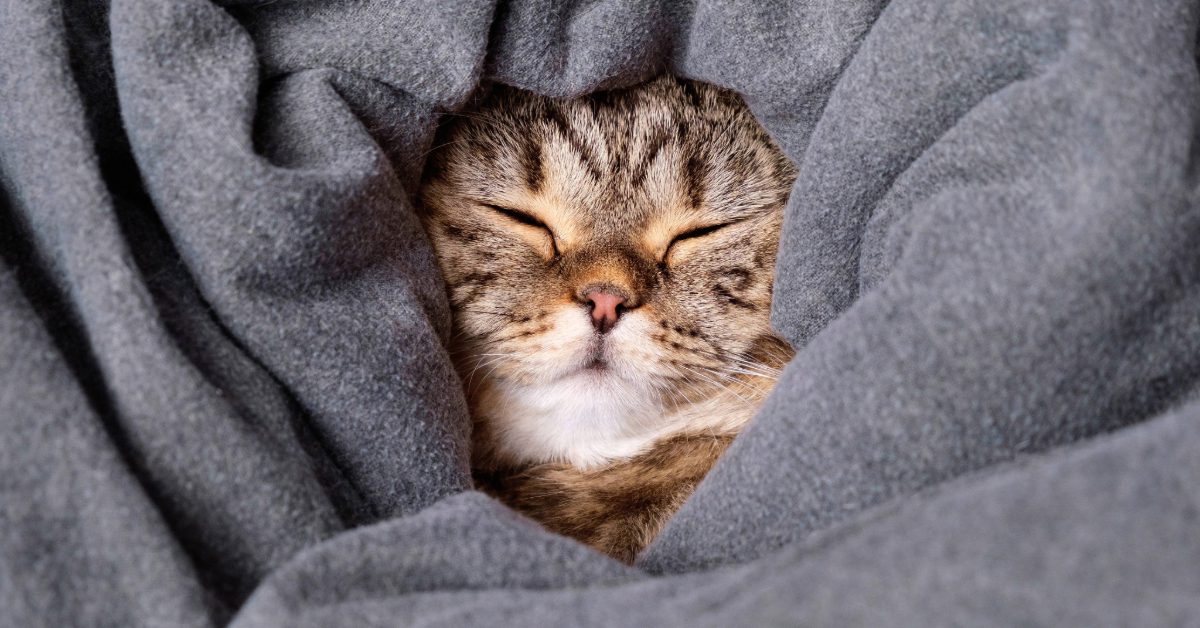
Hypothermia in cats occurs when a cat’s body temperature drops to a dangerously low level and the body can no longer generate enough heat to function normally. It’s a genuine medical emergency that can develop more quickly than many cat owners expect, and it’s not limited to outdoor or feral cats. Knowing the signs of hypothermia in cats and understanding how it is treated could save your cat’s life.
What Is Hypothermia in Cats?
A cat’s normal body temperature ranges from approximately 100.5°F to 102.5°F. Feline hypothermia occurs when body temperature falls below 100°F. As temperature continues to drop, organ function becomes impaired, and without intervention, the condition can become life-threatening.
Our veterinarians classify hypothermia in cats into three stages: mild (body temperature between 90°F and 99°F), moderate (between 82°F and 90°F), and severe (below 82°F). Each stage carries distinct clinical signs and treatment requirements. Severe cat hypothermia is a critical emergency that requires immediate veterinary intervention.
What Causes Hypothermia in Cats?
The most common cause of cat hypothermia is prolonged exposure to cold temperatures, particularly for cats who are wet, unable to find shelter, or left outside during a cold snap. However, hypothermia in cats can also occur indoors in certain circumstances, including after surgery or sedation (when a cat’s ability to regulate body temperature is suppressed), in very young kittens who cannot thermoregulate on their own, in senior cats with reduced metabolic function, and in cats with underlying illnesses that compromise circulation or metabolic heat production.
Signs of Hypothermia in Cats
Recognizing the signs of hypothermia in cats early is critical to improving outcomes. The symptoms progress as body temperature drops, and not all cats will display the same signs in the same order. If you notice any combination of the following after your cat has been exposed to cold or wet conditions, treat it as a potential emergency.
Mild Hypothermia Symptoms in Cats
In the early stages of feline hypothermia, a cat may show:
- Shivering or trembling
- Lethargy or unusual quietness
- Weakness or reluctance to move
- Cold skin and fur, especially on the ears, paws, and tail
- Hunched posture or curling tightly into a ball
Moderate to Severe Hypothermia Symptoms in Cats
As cat hypothermia progresses, symptoms become more serious and require urgent veterinary care:
- Cessation of shivering (a paradoxical and dangerous sign that the body has lost its warming response)
- Muscle stiffness or rigidity
- Pale or bluish gums
- Slow, shallow, or labored breathing
- Very slow or irregular heartbeat
- Dilated pupils
- Stupor, unresponsiveness, or loss of consciousness
If a hypothermic cat stops shivering, this is a critical warning sign and not a sign of improvement. It indicates the body’s heat-generating mechanisms have failed. This stage of severe hypothermia in cats demands emergency veterinary care without delay.
Which Cats Are Most Vulnerable to Hypothermia?
While any cat can develop hypothermia in cold enough conditions, some cats are at significantly higher risk. Understanding vulnerability helps pet owners take targeted precautions.
Kittens
Newborn and very young kittens cannot regulate their own body temperature. Without maternal warmth or supplemental heating, kittens can become hypothermic rapidly, even indoors. Cat hypothermia in kittens is a veterinary emergency that requires specialized supportive care.
Senior Cats
Older cats have reduced metabolic function and may have underlying conditions that compromise their ability to generate body heat. Senior cats should always be provided warm, draft-free resting areas, especially during cold weather months.
Outdoor and Feral Cats
Cats who spend time outside are at the highest risk of cold-weather hypothermia, particularly when temperatures drop suddenly, rain or snow wets the coat, or a cat becomes unable to find adequate shelter. Cats that appear to be strays or ferals found outdoors in cold weather should be assessed by your veterinarian for signs of feline hypothermia.
Cats Recovering from Illness or Surgery
Cats recovering from surgery, sedation, or serious illness are particularly prone to hypothermia because anesthesia and illness suppress the body’s thermoregulatory mechanisms. Our veterinary team monitors temperature closely during and after procedures for this reason.
When to Take Your Cat to the Emergency Vet for Hypothermia
Any cat showing signs of moderate or severe hypothermia needs emergency veterinary care immediately. If your cat is unresponsive, has stopped shivering, has pale or blue gums, or is breathing abnormally after cold exposure, call Happy Tails Emergency Veterinary Clinic in Greensboro, North Carolina right away. Don’t delay for any reason. The faster a hypothermic cat receives professional rewarming and supportive care, the better their prognosis.
Even for cats with mild signs of hypothermia, a veterinary evaluation is strongly recommended. What appears to be mild cat hypothermia can mask more serious underlying organ stress that isn’t visible without diagnostics.
How Is Hypothermia in Cats Treated?
Veterinary treatment for feline hypothermia at Happy Tails Emergency Veterinary Clinic is focused on safely restoring normal body temperature while supporting cardiovascular function and monitoring for complications. Treatment varies based on the severity of the hypothermia and the cat’s overall condition.
For mild to moderate cat hypothermia, treatment may include external rewarming with warm blankets, heating pads set to a safe temperature, or warm water bottles. For moderate to severe hypothermia in cats, more aggressive intervention is often needed, including warmed IV fluids to raise core body temperature from within, oxygen therapy for cats with respiratory compromise, cardiac monitoring, and treatment for secondary complications such as shock, infection, or organ dysfunction.
Rewarming must be done carefully and gradually as rapid rewarming can cause dangerous shifts in blood pressure and circulation. This is one of the reasons that attempting to treat feline hypothermia at home carries risk, and professional veterinary care is always the safer choice.
Protecting Your Cat from Hypothermia
Prevention focuses on reducing cold exposure and ensuring your cat always has access to warm, dry shelter. Here are practical steps to protect cats from hypothermia:
- Keep cats indoors during cold weather, especially overnight and during storms
- Provide warm, insulated sleeping areas away from drafts and cold floors
- Monitor elderly cats, kittens, and cats with health conditions closely in cooler temperatures
- Bring outdoor cats inside or provide an insulated outdoor shelter with dry bedding during winter months
- If you find a cold, unresponsive cat outdoors, wrap them in a warm blanket and transport them to an emergency vet like Happy Tails Emergency Veterinary immediately
Cold Weather Is Serious Business for Cats
Hypothermia in cats is a true medical emergency, and prompt action is the most important factor in a cat’s survival and recovery. Whether your cat is an indoor pet who slipped outside on a cold night, a kitten, or a senior cat showing unusual lethargy in winter, never dismiss cold-related symptoms.
Our team at Happy Tails Emergency Veterinary Clinic in Greensboro, NC is available during our extended hours during the week and 24 hours on the weekend to assess and treat cats experiencing hypothermia and other cold-weather emergencies. If you suspect your cat is hypothermic, call us at (336) 288-2688 or come in right away. Time matters more than you might realize.
Recent Posts
About Us
At Happy Tails Veterinary Emergency Clinic in Greensboro, NC, our kind and knowledgeable team is available to provide gold standard emergency vet care for you and your pet. We’re available in the late night and early morning hours during the week, and 24/7 on weekends for your convenience.