
Xylitol Poisoning in Dogs: Causes, Signs, and Treatment
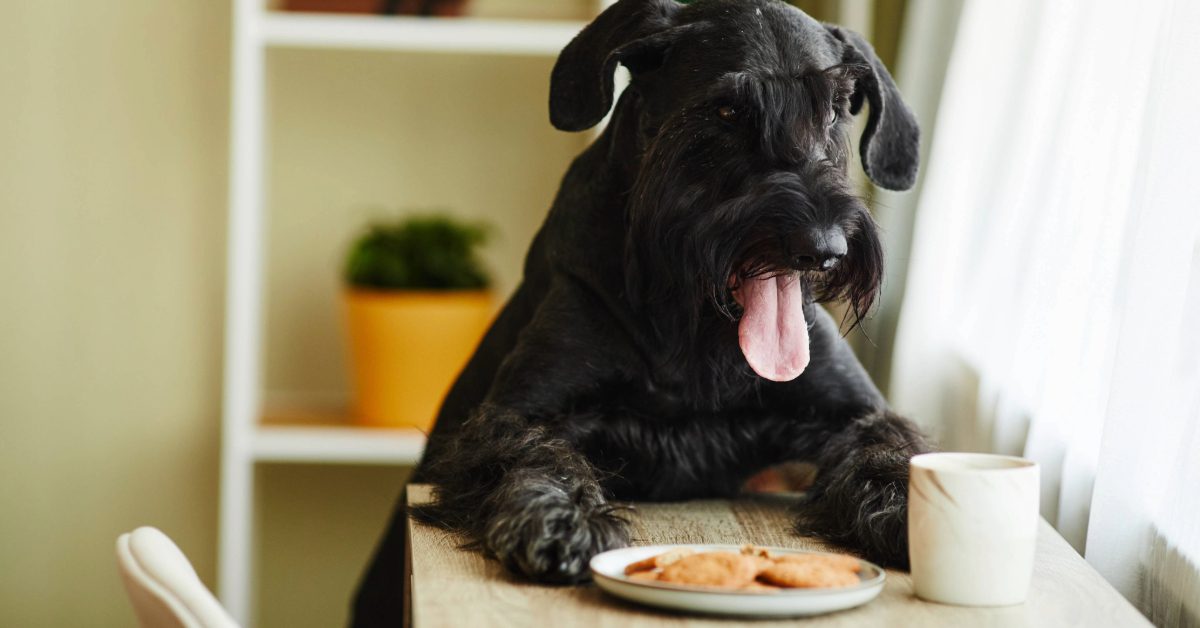
Xylitol poisoning in dogs happens when a dog eats a product sweetened with xylitol, a sugar substitute that causes a rapid, dangerous drop in blood sugar and can lead to liver damage. This makes xylitol poisoning in dogs a true medical emergency, even when only a small amount has been consumed. At Happy Tails Emergency Veterinary Clinic in Greensboro, NC, we see xylitol toxicity cases from a wide range of everyday products, many of which pet owners don’t realize contain this ingredient.
This blog will explore where xylitol hides, what early symptoms look like, and why fast action matters can help you protect your dog and respond quickly if exposure happens. As more food and personal care companies switch to sugar substitutes for health-conscious consumers, xylitol poisoning in dogs has become an increasingly frequent concern for veterinary emergency teams nationwide. If you suspect your dog has ingested xylitol, do not wait to see if they develop symptoms. Call Happy Tails Emergency Veterinary Clinic at (336) 288-2688 right away.
What Foods and Products Contain Xylitol?
Xylitol poisoning in dogs often occurs because this sweetener is found in far more products than most pet owners expect. Reading ingredient labels carefully is one of the simplest ways to prevent accidental exposure.
Common Sources of Xylitol
Products that commonly lead to xylitol poisoning in dogs include:
- Sugar-free gum and mints
- Sugar-free candy and baked goods
- Some peanut butters and nut butters
- Certain toothpastes and mouthwashes
- Sugar-free vitamins, supplements, and cough syrups
- Some low-sugar or “keto” packaged foods
Because xylitol poisoning in dogs can result from products not typically thought of as pet hazards, it’s worth checking labels on anything sweetened before it ends up within reach of your dog.
Why Peanut Butter Deserves a Second Look
Many dog owners use peanut butter as a training treat or to hide medication, which makes it one of the more surprising sources of xylitol poisoning in dogs. Not all peanut butter brands contain xylitol, but a growing number of “natural” or reduced-sugar varieties do. Before sharing peanut butter with your dog, it’s worth reading the ingredient list every time, even if you’ve used a particular brand safely before, since manufacturers occasionally reformulate products without much notice. Keeping a mental note of which brands you’ve verified as safe can save time on future grocery trips.
What Are the Early Signs of Xylitol Poisoning in Dogs?
Early signs of xylitol poisoning in dogs typically appear within 15 to 30 minutes of ingestion, since xylitol is absorbed into the bloodstream very quickly. These initial symptoms are related to a sudden drop in blood sugar.
Symptoms To Watch For
Early warning signs of xylitol poisoning in dogs include:
- Vomiting
- Weakness or wobbliness
- Lethargy
- Loss of coordination
- Collapse or seizures in more severe cases
In some cases, symptoms of xylitol poisoning in dogs can be delayed by up to 24 hours if liver damage develops without an initial drop in blood sugar, which is part of why any known exposure should be treated as an emergency, even without visible symptoms yet.
Why Early Symptoms Are Easy to Miss
Because the earliest signs of xylitol poisoning in dogs, like mild weakness or a bit of grogginess, can look similar to a dog simply settling down after playtime, pet owners sometimes miss the initial warning signs. This is especially true in cases where the ingestion wasn’t witnessed. If there’s any chance your dog got into gum, sugar-free treats, or other sweetened products, it’s safer to assume xylitol poisoning in dogs is possible and call for guidance rather than waiting to see if more obvious symptoms develop.
Why Is Immediate Treatment So Important for Xylitol Toxicity?
Fast treatment is critical with xylitol poisoning in dogs because the toxin acts quickly and can cause lasting harm to the liver if not addressed promptly. The sooner your dog is seen, the better the chances of a full recovery.
What To Do if You Suspect Xylitol Exposure
If you believe your dog has eaten a product containing xylitol, contact Happy Tails Emergency Veterinary Clinic right away. Try to gather the following information before you call, since it helps our team respond quickly:
- The name and packaging of the product, if available
- An estimate of how much was eaten
- The time of ingestion
- Any symptoms your dog is showing
Do not wait to see if symptoms of xylitol poisoning in dogs develop before seeking care. Because this toxin works so quickly, early veterinary intervention gives your dog the best possible outcome.
How Can You Reduce the Risk of Xylitol Poisoning in Your Home?
Because xylitol poisoning in dogs is almost always the result of an accidental find, a few household habits can meaningfully lower the risk for your dog.
- Store gum, mints, and sugar-free snacks in closed cabinets rather than on counters or in purses left within reach
- Read ingredient labels on peanut butter, baked goods, and supplements before sharing them with your dog
- Choose dog-specific toothpaste rather than human varieties, which may contain xylitol
- Ask house guests to keep sugar-free gum and candy secured in bags or pockets
- Dispose of xylitol-containing wrappers and packaging in a trash can your dog can’t access
These simple precautions can go a long way toward preventing xylitol poisoning in dogs before it ever becomes an emergency. When in doubt about a product’s ingredients, it’s always safer to keep it away from your dog entirely rather than assume it’s fine. A few extra seconds spent checking a label is a small trade-off compared to the stress and expense of treating xylitol poisoning in dogs after the fact, and it’s a habit that quickly becomes second nature.
Happy Tails Emergency Veterinary Clinic Responds Fast for Greensboro Dogs
Xylitol poisoning in dogs can escalate quickly, which is why timing matters so much. If your dog has eaten anything containing xylitol, the emergency team at Happy Tails Emergency Veterinary Clinic in Greensboro, NC is ready to provide urgent, attentive care.
Our team knows how stressful it feels to realize your dog may have gotten into something dangerous. If you suspect your dog has ingested xylitol, even a small amount, call Happy Tails Emergency Veterinary Clinic in Greensboro, NC at (336) 288-2688 without delay. We would always rather walk a Greensboro pet owner through a false alarm than have a family wait too long to seek care for true xylitol poisoning in dogs.
Recent Posts
About Us
At Happy Tails Veterinary Emergency Clinic in Greensboro, NC, our kind and knowledgeable team is available to provide gold standard emergency vet care for you and your pet. We’re available in the late night and early morning hours during the week, and 24/7 on weekends for your convenience.