
The Dangers of Snow-Melting Salt on Dog’s Paws
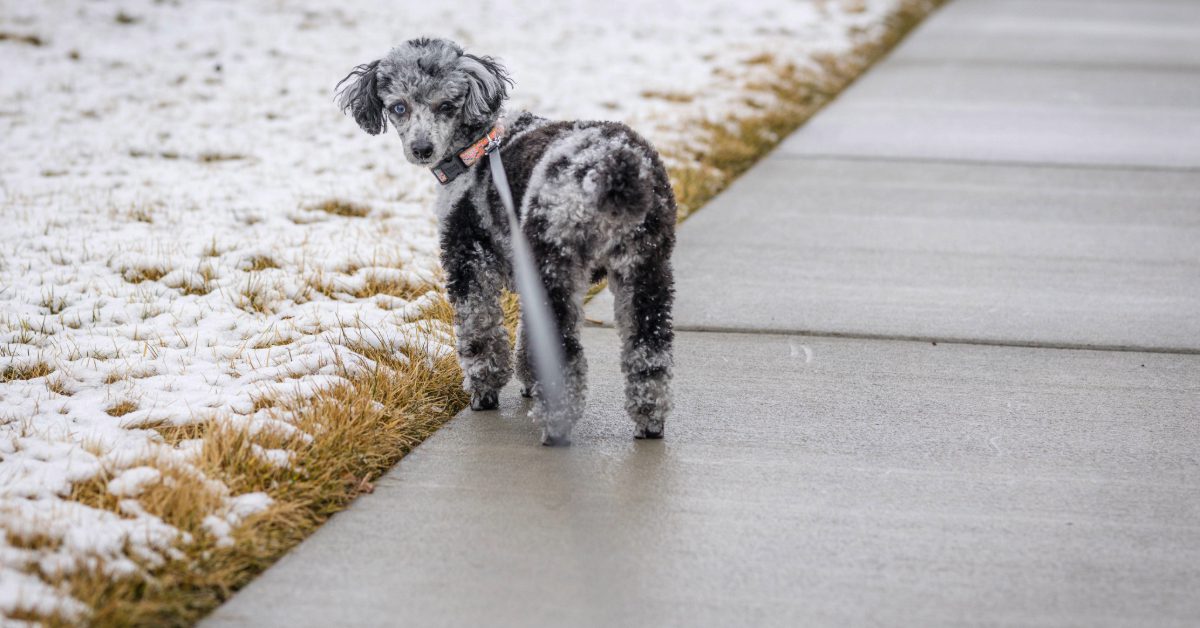
The dangers of snow-melting salt on dog’s paws are something every pet owner should understand before winter arrives. Ice melt and road salt are applied liberally to sidewalks, driveways, and parking lots throughout the cold weather season, and your dog walks right through it. What seems like a harmless convenience for humans can be a serious hazard for your dog’s paws, skin, and overall health.
What Is Snow-Melting Salt and Why Is It Used?
Snow-melting salt is a broad term for ice melt products used on roads and walkways to reduce ice and snow accumulation. These products typically contain sodium chloride (rock salt), calcium chloride, magnesium chloride, potassium chloride, or a blend of these compounds. They work by lowering the freezing point of water, which causes ice and snow to melt at lower temperatures.
While effective at preventing slippery surfaces, ice melt products pose real risks to pets. The dangers of road salt on dog’s paws are both physical and chemical, and they extend beyond surface irritation to potential internal harm if your dog licks their paws after exposure.
How Does Ice Melt Harm a Dog’s Paws?
The dangers of ice melt on dog’s paws occur in several ways. Direct contact with salt and chemical de-icers can cause immediate irritation or more serious injury depending on the product, the duration of exposure, and whether the paw pads are already compromised.
Chemical Burns and Irritation
Calcium chloride and magnesium chloride, two of the most common ice melt ingredients, generate heat as they dissolve. This exothermic reaction can cause chemical burns on your dog’s paw pads, particularly if the product is concentrated or if your dog stands in it for an extended period. Even sodium chloride, though less reactive, can dry out and crack paw pads over time.
Cracked and Bleeding Paw Pads
Repeated exposure to road salt is one of the leading causes of dry, cracked dog paw pads in winter. Salt draws moisture out of the skin, leaving paw pads rough, brittle, and prone to splitting. Cracked paws are painful for your dog and create an entry point for bacteria, increasing the risk of infection.
Salt Toxicity from Paw Licking
Dogs naturally groom themselves, and after a walk they will often lick their paws. If salt or de-icing chemicals remain on the paws, your dog can ingest a potentially harmful amount. Salt toxicity in dogs can cause symptoms including excessive thirst and urination, vomiting, diarrhea, lethargy, tremors, and in severe cases, neurological complications. This is one of the most serious dangers of road salt for dogs that pet owners often overlook.
Signs Your Dog’s Paws Have Been Affected by Road Salt
Knowing what to look for after a winter walk can help you catch ice melt paw injuries early. Contact Happy Tails Emergency Veterinary Clinic in Greensboro, NC if your dog shows any of the following signs after exposure to salted surfaces:
- Excessive licking or chewing at the paws after walks
- Limping or reluctance to walk on treated surfaces
- Red, inflamed, or raw paw pads between the toes or on the pad surface
- Blistering or visible chemical burns on the paw skin
- Dry, cracked, or peeling paw pads after repeated exposure
- Vomiting, drooling, or lethargy following paw licking (possible salt ingestion)
The combination of topical irritation and potential internal toxicity makes road salt genuinely dangerous for dogs. Don’t dismiss persistent paw licking or limping after a winter walk as normal behavior.
When to See an Emergency Vet for Ice Melt Paw Injuries
The dangers of snow-melting salt on a dog’s paws can escalate quickly. Seek emergency veterinary care at Happy Tails Emergency Veterinary Clinic in Greensboro if your dog develops blisters or open wounds on their paws, shows signs of salt ingestion such as vomiting or tremors, or if their paw pads appear severely irritated and your dog won’t bear weight.
Veterinary treatment for road salt injuries may include wound care and bandaging, pain management, decontamination if significant salt ingestion is suspected, and IV fluids in cases of salt toxicity. Acting quickly limits the extent of the injury and supports a faster recovery.
How to Protect Your Dog from Road Salt and Ice Melt
Preventing snow-melting salt injuries on your dog’s paws requires a combination of preparation before walks and care after walks. The good news is that most of these steps are simple and easy to build into your daily routine.
Use Dog Boots
Dog boots are the most effective barrier between your dog’s paws and salt-covered surfaces. They block direct contact with ice melt products entirely. Look for boots with rubber soles that provide traction on icy surfaces and a secure closure that stays in place during walks. Introduce boots gradually with positive reinforcement so your dog becomes comfortable wearing them.
Apply Paw Wax Before Walks
If your dog won’t tolerate boots, a paw wax or balm can help minimize the dangers of ice melt on your dog’s paws. These products create a protective barrier on the pad surface that reduces chemical contact and moisture loss. Apply paw wax before heading outside for a layer of protection against the salt.
Wash and Dry Paws After Every Walk
Washing your dog’s paws with lukewarm water after every winter walk removes salt and chemical residue before your dog has a chance to lick it off. Pay close attention to the spaces between the toes, where de-icing products tend to accumulate. Dry the paws thoroughly afterward, since lingering moisture can compound irritation.
Choose Pet-Safe Ice Melt for Your Own Property
When treating your own driveway or walkways, choose a pet-safe ice melt product. These formulations are designed to be less caustic than standard rock salt and less likely to cause chemical burns on dog paws. While no ice melt product is completely risk-free, pet-safe options significantly reduce the dangers of snow-melting salt on your dog’s paws at home.
Quick Tips for Winter Paw Safety
These practical steps can help you minimize ice melt exposure and protect your dog’s paws throughout the winter season:
- Stick to grassy or unpaved routes when possible to avoid heavily salted sidewalks
- Keep walks shorter during and immediately after salt application on roads and paths
- Inspect your dog’s paws after every outing for redness, cracking, or debris
- Use pet-safe ice melt on your own property to reduce at-home exposure
- Wipe or rinse paws before your dog has a chance to lick them clean
What the Cold Season Really Means for Your Dog’s Paws
The dangers of snow-melting salt on dog’s paws are real, but they’re manageable with the right precautions. Understanding what ice melt products do to a dog’s paws, and how to reduce exposure, is one of the most valuable things a pet owner can do to protect their dog during winter months.
If you suspect your dog has a salt-related paw injury or has ingested road salt, the team at Happy Tails Emergency Veterinary Clinic in Greensboro, North Carolina is ready to help. Call us at (336) 288-2688 or come in during our extended morning and evening hours. We’re here for your pet when it matters most.
Recent Posts
About Us
At Happy Tails Veterinary Emergency Clinic in Greensboro, NC, our kind and knowledgeable team is available to provide gold standard emergency vet care for you and your pet. We’re available in the late night and early morning hours during the week, and 24/7 on weekends for your convenience.