
What to Do If Your Dog Ate a Turkey Bone
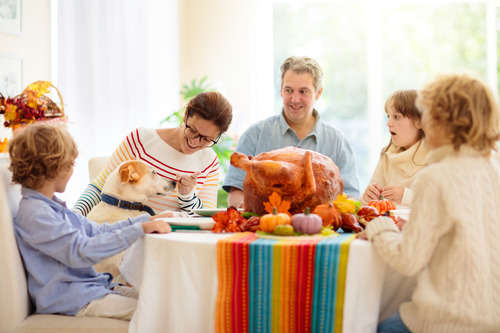
If your dog ate a turkey bone, contact your primary veterinarian or Happy Tails Emergency Veterinary Clinic right away, since cooked turkey bones can splinter and cause serious internal injury even if your dog seems fine at first. This is an especially common concern around holidays, when turkey bones and scraps are more accessible than usual. At Happy Tails Emergency Veterinary Clinic in Greensboro, NC, we see a rise in cases involving dogs that ate a turkey bone during the holiday season, and knowing what to watch for can help you act quickly.
This blog will cover what makes turkey bones risky, the symptoms to look for, and when it’s time to bring your dog in for care. Because holiday gatherings often mean more food within reach and more distractions in the kitchen, it’s easy for a dog to snag a bone from a counter, trash can, or plate left unattended.
Why Are Turkey Bones More Dangerous Than Pet Owners Expect?
Many pet owners assume that because dogs chew bones naturally, a turkey bone poses little risk. Unfortunately, cooked bones behave very differently than raw ones, and a dog that ate a turkey bone can develop complications that aren’t always obvious right away. Being aware of this distinction can help you respond appropriately if it happens in your home.
This is one of the more common emergencies our Greensboro team sees around Thanksgiving and other holiday gatherings, when turkey carcasses and bone-in leftovers sit out longer than usual or end up in trash cans that dogs can reach. Even well-trained dogs that normally ignore food on counters may make an exception when a turkey carcass is left unattended, which is why awareness and prevention matter just as much as knowing how to respond after the fact.
Why Are Turkey Bones Dangerous for Dogs?
When a dog ate a turkey bone, the primary danger comes from how cooked bones behave once they’re chewed and swallowed. Cooking changes the structure of bone, making it more brittle and prone to splintering than raw bone.
Risks of Turkey Bone Ingestion
If your dog ate a turkey bone, potential complications include:
- Sharp bone fragments causing cuts or punctures in the mouth, throat, or intestines
- Blockages in the stomach or intestines
- Choking if a piece becomes lodged in the throat
- Constipation from bone fragments compacting in the colon
- Internal bleeding in severe cases
Because these risks aren’t always immediately obvious, a dog that ate a turkey bone should be monitored closely, even without visible signs of distress right away.
Why Size and Chewing Style Matter
Not every dog that ate a turkey bone faces the same level of risk. Dogs that tend to gulp food quickly without much chewing are more likely to swallow larger, sharper fragments, which increases the chance of a blockage or internal injury. Smaller dogs also face a higher relative risk, since even a modestly sized bone fragment represents a larger obstacle in a smaller digestive tract. Regardless of your dog’s size or eating habits, any known instance of a dog eating a turkey bone deserves attention and, in most cases, a call to your veterinary team.
What Symptoms Should You Watch for After Your Dog Eats a Turkey Bone?
Symptoms after a dog ate a turkey bone can appear right away or develop over the following day or two, depending on the location and size of any fragments. Watch closely for these symptoms after your dog ate a turkey bone:
- Vomiting or repeated retching
- Difficulty swallowing or excessive drooling
- Straining to defecate or visible blood in the stool
- Lethargy or restlessness
- Abdominal pain, bloating, or a hunched posture
- Loss of appetite
Any of these signs after a dog ate a turkey bone warrant prompt veterinary evaluation.
Why Delayed Symptoms Are Common
One of the trickiest aspects of a dog eating a turkey bone is that complications don’t always show up immediately. A fragment lodged partway through the digestive tract may not cause obvious symptoms until it starts to cause irritation or a blockage, which can take a day or two to develop. This delayed timeline is part of why our Greensboro emergency team recommends monitoring your dog closely for 48 hours after any known turkey bone ingestion, even if the first few hours pass without incident.
When Should You Take Your Dog to the Veterinarian?
Even without obvious symptoms, it’s best to contact Happy Tails Emergency Veterinary Clinic as soon as you realize your dog ate a turkey bone. Bone fragments can cause internal damage well before symptoms become noticeable, so early evaluation is the safest choice.
Information To Share With Your Veterinary Team
When you call about a dog that ate a turkey bone, be ready to provide:
- The approximate size and type of bone (whole bone, fragment, or ground pieces)
- When the bone was eaten
- Whether your dog has vomited or shown any other symptoms
- Your dog’s size and any existing health conditions
Do not try to induce vomiting at home without veterinary guidance, since bringing sharp fragments back up can cause additional injury on the way out.
How Can You Prevent Turkey Bone Incidents During the Holidays?
Because holiday meals and gatherings create extra opportunities for a dog to get into turkey bones, a few precautions can help keep your dog safe during busy cooking and celebration days.
- Dispose of turkey carcasses and bones in a secured, dog-proof trash can immediately after meals
- Ask guests not to feed table scraps, including bones, to your dog
- Clear counters and tables of bones and scraps before stepping away from the kitchen
- Watch your dog closely during holiday gatherings, when distractions make it easier for scraps to go unnoticed
- Provide a dog-safe chew or treat as an alternative during holiday meals
With a bit of extra vigilance, you can help your dog enjoy the holidays without the risk of a dog eating a turkey bone turning into an emergency visit.
It’s also worth reminding any relatives or guests staying with you about your household rules around table scraps and bones, since a well-meaning family member is sometimes the reason a dog ends up eating a turkey bone in the first place. A brief reminder before the meal can prevent an unplanned trip to the emergency vet.
Happy Tails Emergency Veterinary Clinic Supports Greensboro Dogs Year-Round
Turkey bones may seem harmless, but they’re one of the most common causes of emergency visits, especially around the holidays. If your dog ate a turkey bone, our team at Happy Tails Emergency Veterinary Clinic in Greensboro, NC is here to help, day or night. Holiday schedules can make it tempting to wait and see how things go, especially when family and guests are visiting. But when it comes to a dog eating a turkey bone, prompt evaluation is always the safer choice. Call us at (336) 288-2688 for assistance or visit us to ensure your pet gets the expert attention they need.
Recent Posts
About Us
At Happy Tails Veterinary Emergency Clinic in Greensboro, NC, our kind and knowledgeable team is available to provide gold standard emergency vet care for you and your pet. We’re available in the late night and early morning hours during the week, and 24/7 on weekends for your convenience.