
Signs of Marijuana Poisoning in Dogs
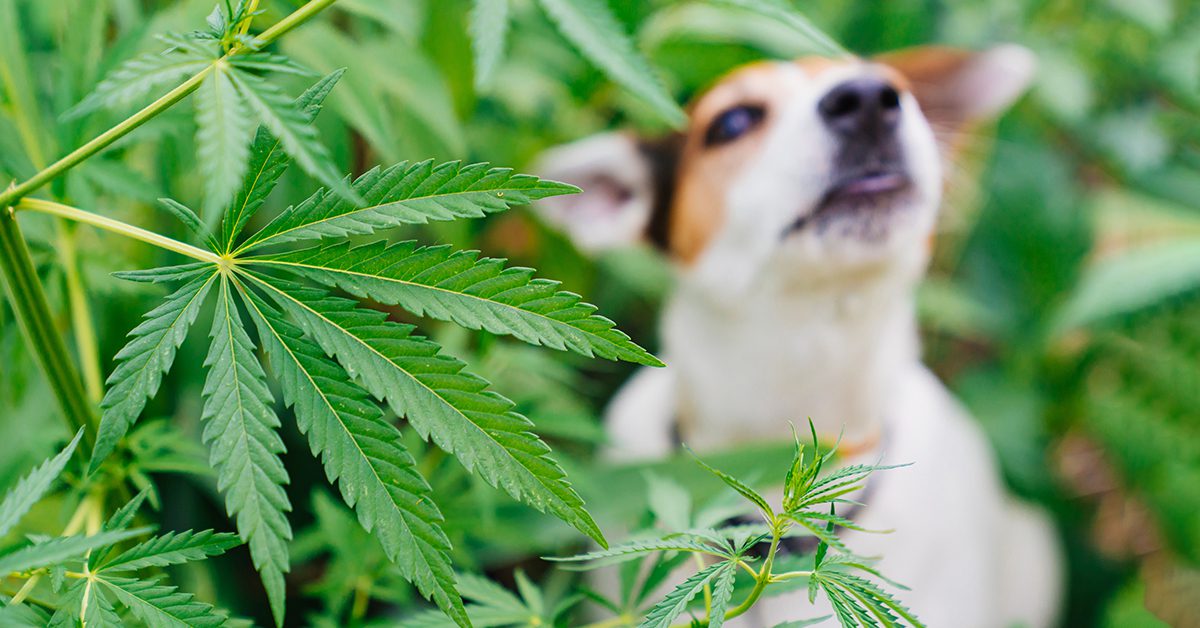
The most common signs of marijuana poisoning in dogs are lethargy, a wobbly or drunken gait, and vomiting, often accompanied by urine dribbling, dilated pupils, and an exaggerated startle response. These signs usually appear within one to two hours of exposure and can last one to three days, so any suspected case deserves a call to a veterinarian.
Cannabis products are now easier to find than ever, from loose plant material and pre-rolled joints to vape cartridges, oils, and hemp-derived delta-8 items sold in convenience stores. As a result, veterinary hospitals across the country have seen a sharp rise in canine exposures. Dogs can get into cannabis at home, at a friend’s house, or even on a neighborhood walk. At Happy Tails Veterinary Emergency Clinic in Greensboro, NC, our team helps worried pet owners sort through these situations every week. This article breaks down the signs to watch for, how cannabis acts on a dog’s brain, when a situation becomes an emergency, and where hidden exposures often come from.
What Are the Most Common Signs of Marijuana Poisoning in Dogs?
Marijuana poisoning in dogs shows up mostly as changes in coordination, alertness, and behavior, with digestive upset close behind.
Signs Owners Notice First
According to veterinary toxicology data, lethargy, loss of coordination, and vomiting account for the largest share of reported signs. Many owners describe their dog as looking “drunk” or “out of it.” Other frequent changes include:
- Swaying while standing still, or legs splaying outward
- Leaking urine while resting or walking
- Jumping or flinching at ordinary noises, touch, or motion
- Wide, dilated pupils and a vacant stare
- Head bobbing or a slow, nodding motion
- Trembling, twitching, whining, or restlessness
- Body temperature that runs higher or lower than normal
Less Common but Serious Signs
A slowed heart rate is fairly common, while low blood pressure, slowed breathing, and a racing heart occur less often. Seizures are uncommon but possible, particularly after exposure to concentrated products. These signs require immediate professional attention.
Why Signs Vary From Dog to Dog
Two dogs exposed to the same product can look very different. Body size, the THC concentration, whether the dog ate on an empty stomach, and individual sensitivity all affect how the marijuana poisoning presents itself. Some dogs appear sleepy and quiet, while others become anxious and agitated. Inhaled exposures from smoke tend to produce signs within minutes, while eaten products usually take one to two hours and sometimes longer on an empty stomach. Because marijuana poisoning can look so different from one dog to the next, describing exactly what you observed, and when, gives your veterinarian valuable clues.
How Does Marijuana Affect a Dog’s Nervous System?
Marijuana affects a dog’s nervous system by activating cannabinoid receptors in the brain, particularly in areas that control balance, movement, and sensory processing.
The Role of Cannabinoid Receptors
THC, the main psychoactive compound in cannabis, binds to receptors that help regulate mood, coordination, appetite, and pain perception. Research suggests dogs have a higher concentration of these receptors in the cerebellum and brainstem than people do. The cerebellum coordinates movement and balance, which helps explain why wobbling and stumbling are hallmark findings. The brainstem helps manage heart rate and breathing, which may account for the slowed heart rate seen in some patients.
Why Dogs React More Strongly Than People
Because of this receptor distribution, dogs often show more dramatic neurologic effects at lower doses than humans experience. Their smaller body size compounds the issue. A product intended for one adult can deliver a much larger dose relative to a dog’s weight, and today’s cannabis products carry higher THC concentrations than those available a generation ago.
Why the Effects Last So Long
THC is highly fat-soluble, which means it settles into fatty tissues and releases back into circulation gradually. This slow release explains why marijuana poisoning in dogs can linger for one to three days, even after a seemingly small exposure. Sensitivity to sound and light often fades last.
When Should Marijuana Poisoning in Dogs Be Considered an Emergency?
Marijuana poisoning in dogs should be considered an emergency whenever a dog has trouble breathing, has a seizure, cannot stand, or becomes difficult to wake.
Red Flags That Mean Go Now
Head to an emergency veterinary hospital without delay if you see any of the following:
- Seizures, collapse, or severe tremors
- Labored, very slow, or irregular breathing
- Unresponsiveness or extreme difficulty rousing your dog
- Vomiting while heavily sedated, which raises the risk of inhaling vomit
- Exposure to concentrates, oils, wax, or products containing chocolate or xylitol
Mild Cases Still Need a Call
Even if your dog seems only a little wobbly, contact a veterinarian promptly. Symptoms can intensify over several hours as more THC absorbs, and early care gives the team more ways to help. A veterinarian can also confirm that the signs truly come from cannabis rather than another toxin or a neurologic problem.
Small Dogs and Seniors Face Higher Risk
Toy breeds, puppies, older dogs, and pets with heart, liver, or neurologic conditions have less reserve to handle intoxication. These patients often benefit from hospital monitoring even when signs appear mild at first. Dogs taking medications that affect the heart or nervous system may also respond unpredictably. If your pet falls into one of these groups, mention it as soon as you call so the team can plan accordingly. Hospital monitoring allows veterinarians to track heart rate, temperature, and breathing closely and to step in quickly if marijuana poisoning takes a more serious turn in your dog. Many of these higher-risk patients still go home within a day or two once they can walk steadily and rest comfortably.
Where Do Dogs Encounter Marijuana?
Dogs encounter marijuana in more places than most owners expect, which is why exposures often come as a surprise.
Common Exposure Sources
Discarded joint ends on sidewalks, in parks, and along trails are a frequent culprit, since dogs readily scavenge during walks. At home, dogs may find plant material in a bag, eat a vape cartridge, lick oil from a dropper, or raid a compost bin with trimmings. Secondhand smoke in an enclosed space can affect pets as well. Hemp-derived delta-8 and delta-9 products, sold widely in gas stations and shops, contain THC and can cause the same signs.
How Veterinarians Confirm the Cause
Veterinarians usually diagnose marijuana poisoning based on the history and a characteristic pattern of exam findings, such as wobbling paired with urine dribbling and exaggerated startle reactions. Over-the-counter urine drug tests were designed for people and frequently miss THC in canine patients, so a negative result does not rule it out. When the history is unclear, the team may run bloodwork to look for other problems, since toxins like alcohol, certain sedatives, or ivermectin can produce overlapping signs.
Simple Ways to Reduce Exposure Risk
A few household and outdoor habits can lower the chance of marijuana poisoning in dogs:
- Store all cannabis products in a locked container or a high cabinet
- Seal compost bins and dispose of trimmings or ends where pets cannot dig
- Keep dogs on a short leash in parks and along trails where litter collects
- Ask visitors to keep bags, vape pens, and edibles off the floor and furniture
- Avoid smoking or vaping in closed rooms where pets spend time
Telling Your Veterinarian What Happened
Sharing every possible source helps your veterinarian move straight to the right care. Veterinary teams care about your pet’s health, not about how the exposure occurred, and an accurate history often shortens the path to treatment.
Trusted Toxicity Care for Greensboro Dogs
Recognizing the signs of marijuana poisoning in dogs early allows you to act quickly and get your pet the support they need. Most dogs recover well with prompt veterinary care, especially when owners share what they know about the exposure.
Happy Tails Veterinary Emergency Clinic offers emergency toxicity evaluation, monitoring, and supportive hospital care for dogs throughout Greensboro and the Triad. We work alongside your family veterinarian to support your pet from the first visit through recovery.
If you suspect your dog has gotten into cannabis, call Happy Tails Veterinary Emergency Clinic at (336) 288-2688 or bring your dog straight to our hospital.
Recent Posts
About Us
At Happy Tails Veterinary Emergency Clinic in Greensboro, NC, our kind and knowledgeable team is available to provide gold standard emergency vet care for you and your pet. We’re available in the late night and early morning hours during the week, and 24/7 on weekends for your convenience.