
My Dog Ate Ibuprofen: How Dangerous Is It?
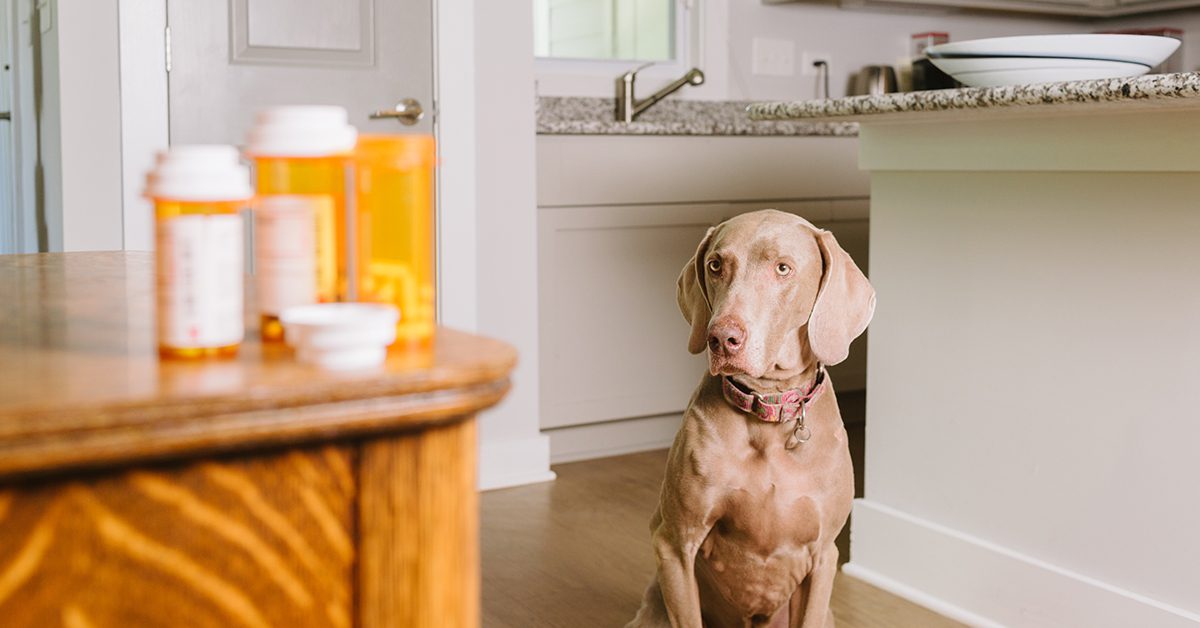
If your dog ate ibuprofen, it can be very dangerous, and you should call a veterinarian or emergency animal hospital immediately. Dogs process ibuprofen far less efficiently than people do, so even a single tablet can cause stomach ulcers in a small dog, while larger amounts can lead to kidney failure, seizures, or death.
Ibuprofen, sold under brand names like Advil and Motrin, sits in medicine cabinets, purses, and nightstands in most homes. Dogs often find dropped pills or chew through bottles, and the sweet coating on some tablets makes them even more appealing. Because the effects can stay hidden for a day or more, quick action matters even when your pup seems fine. At Happy Tails Veterinary Emergency Clinic in Greensboro, NC, our team treats medication exposures around the clock. Read on to learn why ibuprofen is so harmful to dogs, how much is considered toxic, what signs to watch for, and what recovery can look like.
Is It an Emergency If My Dog Ate Ibuprofen?
Yes, any time a dog eats ibuprofen, you should treat it as an emergency and seek veterinary guidance right away.
Why Dogs Are So Sensitive to Ibuprofen
Ibuprofen belongs to a group of drugs called nonsteroidal anti-inflammatory drugs, or NSAIDs. These drugs block substances called prostaglandins, which help protect the stomach lining and maintain healthy blood flow to the kidneys. Dogs absorb ibuprofen quickly, and their bodies clear it differently than ours do. As a result, the protective effects of prostaglandins drop off, leaving the stomach vulnerable to ulcers and the kidneys vulnerable to injury. Veterinary NSAIDs exist for dogs, but they are formulated and dosed specifically for canine patients and are not interchangeable with human pain relievers.
Why Timing Matters So Much
Veterinarians have the most treatment options in the first hour or two, before the drug fully absorbs into the bloodstream. Waiting for symptoms can allow damage to the stomach and kidneys to begin quietly. Please do not try to make your dog vomit at home unless a veterinarian specifically directs you to, since home methods can cause additional harm.
Information to Gather Before You Call
If your dog ate ibuprofen, a few quick details help the veterinary team estimate risk and plan treatment:
- The product name and strength, such as 200 mg tablets or liquid gels
- The maximum number of pills that could be missing
- Your dog’s current weight
- The approximate time the exposure happened
- Any existing health conditions or medications your dog takes
Bring the bottle or packaging with you if you head to the hospital.
How Much Ibuprofen Is Toxic to Dogs?
Ibuprofen can cause stomach problems in dogs at doses as low as about 25 mg per kilogram of body weight, and the risks climb steeply as the amount increases.
Veterinary toxicology references describe these general thresholds for a single exposure:
- About 25 mg/kg: vomiting and stomach irritation may develop
- Above 175 mg/kg: the risk of acute kidney failure rises
- Above 400 mg/kg: neurologic effects such as depression, seizures, or coma become possible
- About 600 mg/kg: the dose is potentially fatal
What Those Numbers Mean in Real Life
A standard over-the-counter tablet contains 200 mg of ibuprofen. For a dog weighing around 18 pounds, one tablet can already reach the level linked with stomach upset. A small breed that chews into a bottle can quickly reach a dose that threatens the kidneys. Larger dogs have more margin, but every case still deserves a professional assessment, since individual sensitivity varies. Owners also tend to underestimate how many pills are missing. Even if you think your dog ate a small amount of ibuprofen, veterinarians usually plan treatment around the highest possible dose to stay on the safe side.
Repeated Small Doses Carry Risk Too
Some owners give ibuprofen with good intentions, hoping to ease a limping dog’s pain. Research shows that even low doses given over days or weeks can cause stomach ulcers and intestinal bleeding without obvious early signs. Never give your dog any human pain reliever without your veterinarian’s direction. If your pup seems sore, your veterinarian can recommend safe, dog-specific options.
What Are the Signs of Ibuprofen Poisoning in Dogs?
The most common signs of ibuprofen poisoning in dogs are vomiting, diarrhea, loss of appetite, and abdominal pain, often appearing within 24 hours of exposure.
Watch closely for the following changes if your dog ate ibuprofen:
- Vomiting, sometimes with blood or material that looks like coffee grounds
- Black, tarry stools, which can signal bleeding in the digestive tract
- Reduced appetite or complete refusal to eat
- Abdominal tenderness or restlessness
- Increased or decreased thirst and urination
- Weakness, pale gums, or unusual tiredness
- Wobbliness, tremors, seizures, or collapse
How Symptoms Unfold Over Time
Stomach irritation usually shows up first, within hours to a day. Kidney injury can take two to five days to become obvious, and by then significant damage may already exist. This delay explains why veterinarians often recommend treatment and lab monitoring even for dogs who appear completely healthy after an exposure.
Dogs at Higher Risk
Senior dogs, very small breeds, and dogs with existing kidney, liver, or digestive conditions face greater danger. The same goes for pets already taking a veterinary NSAID or a steroid, because combining these medications multiplies the risk of ulcers. Dehydrated dogs, including those recovering from vomiting or heat exposure, may also experience kidney effects at lower doses. If your dog ate ibuprofen and falls into any of these categories, mention it right away so the veterinary team can tailor monitoring and treatment.
Can Dogs Recover From Ibuprofen Toxicity?
Yes, many dogs recover fully from ibuprofen toxicity, especially when they receive veterinary treatment soon after exposure.
How Veterinarians Treat Ibuprofen Exposure
Treatment depends on how much your dog swallowed and how long ago. If the exposure was recent, a veterinarian may induce vomiting under medical supervision and give activated charcoal to limit absorption. Dogs often receive medications that protect the stomach lining, along with intravenous fluids to support kidney blood flow. Bloodwork performed at the start and repeated over the next few days helps the team track kidney values and catch problems early. Dogs who develop seizures or severe bleeding need intensive hospital care.
What Shapes the Outlook
The prognosis depends on the dose, the speed of treatment, and how severe the signs become. A dog that ate ibuprofen and received care within a few hours often goes home after a short hospital stay with an excellent outlook. Dogs who develop significant kidney injury may need longer hospitalization and ongoing monitoring, and some may live with reduced kidney function afterward.
Preventing Another Exposure
Store all medications in closed cabinets well above counter height, and keep pill organizers and purses out of reach. Pick up dropped tablets right away, and remind guests to keep their medications zipped away during visits. Many cases begin with a bottle left on a bedside table or a bag set on the floor, so a quick sweep of these spots goes a long way. Child-resistant caps slow people down, but a determined dog can crush or chew through plastic in seconds. If you take ibuprofen regularly, consider a dedicated storage spot your dog cannot reach, and make it a household habit to return the bottle there after every use.
Emergency Poison Care for Dogs in Greensboro
After a dog eats ibuprofen, every hour counts, and fast professional care can prevent lasting damage to the stomach and kidneys. Reaching out quickly, even before symptoms appear, gives your pet the best chance at a full recovery.
Happy Tails Veterinary Emergency Clinic provides urgent toxicity care, in-house lab testing, and hospitalization for dogs across Greensboro and the Triad. Our team can assess the exposure, begin treatment promptly, and keep your family veterinarian informed every step of the way.
If your dog ate ibuprofen or any other human medication, call Happy Tails Veterinary Emergency Clinic at (336) 288-2688 or come directly to our hospital for immediate help.
Recent Posts
About Us
At Happy Tails Veterinary Emergency Clinic in Greensboro, NC, our kind and knowledgeable team is available to provide gold standard emergency vet care for you and your pet. We’re available in the late night and early morning hours during the week, and 24/7 on weekends for your convenience.