
My Dog Ate a Sock: What Should I Do Next?
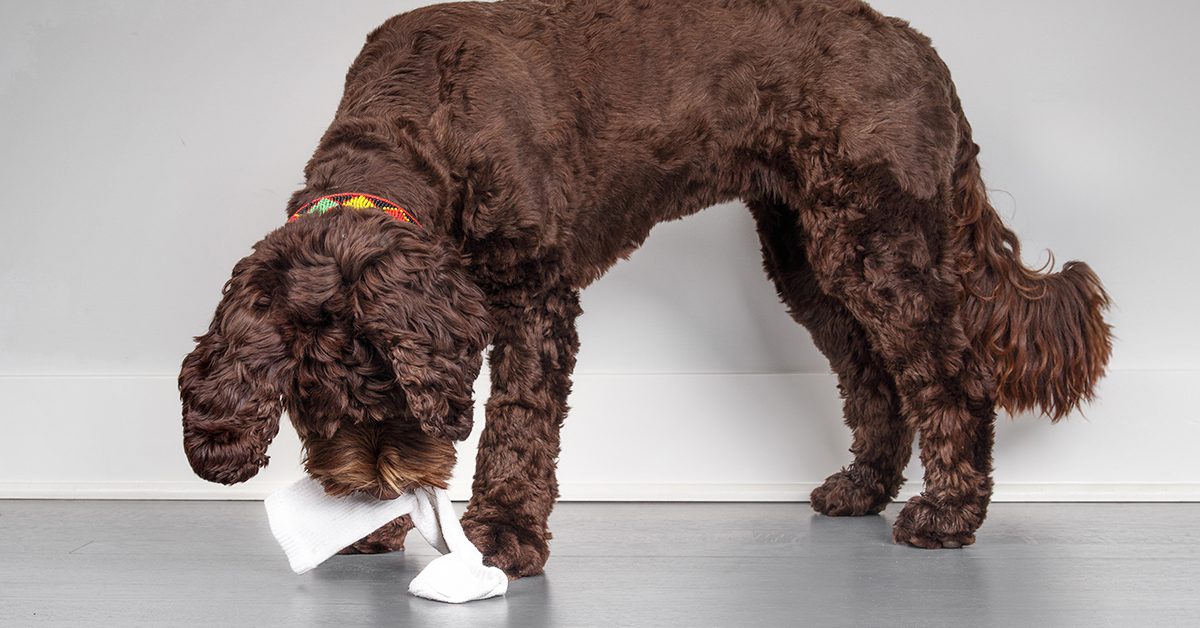
If your dog ate a sock, call your Happy Tails Emergency Veterinary Clinic right away, even if your pup seems perfectly fine. Socks rank among the most common items dogs swallow, and fabric can lodge in the stomach or intestines, where it may cause a dangerous blockage. Some dogs pass a sock without trouble, but you cannot know which outcome you are facing just by watching and waiting. That uncertainty is exactly why a quick phone call matters. At Happy Tails Emergency Veterinary Clinic in Greensboro, NC, our team helps worried pet owners sort through these situations every week. In this guide, we explain when a sock calls for an exam, how some socks do move through on their own, and which symptoms signal an emergency. Read on so you know who to call and what to expect if your curious pup raids the laundry basket again.
When Should I Take My Dog to the Veterinarian After Eating a Sock?
Contact your primary veterinarian or Happy Tails Emergency Veterinary Clinic as soon as you realize your dog ate a sock, because early guidance gives your dog the best chance at a smooth outcome. Even a small ankle sock can cause trouble for a little dog, and a thick crew sock can cause trouble for nearly any size.
Call Right Away, Even if Your Dog Seems Fine
Dogs rarely show symptoms in the first hour or two. A sock can sit in the stomach for a day or longer before it moves into the intestines and starts causing problems. A cheerful, tail-wagging dog can still have a sock on its way to becoming a serious obstruction. A phone call costs you a few minutes, and a veterinary professional can tell you whether to come in immediately or schedule an exam. Please do not try to treat your dog at home or give any medication without a veterinarian’s direction.
Situations That Call for Emergency Care
Some scenarios move from “call soon” to “come in now.” Head to an emergency clinic if you notice any of the following:
- Repeated vomiting or gagging after the sock was swallowed
- A tight, swollen, or painful belly
- Sudden lethargy, weakness, or hiding
- Refusal to eat or drink
- More than one sock, or a sock along with other household items
- A small or senior dog, or a dog with existing health concerns
What to Tell the Clinic When You Call
Details help us help you. Share your dog’s breed, approximate weight, and age. Mention what kind of sock it was, roughly when your dog swallowed it, and whether your dog has vomited or acted differently since. If you saw how much of the sock disappeared, tell us that too. If you are unsure about any of it, that is perfectly fine. We would rather hear from you early than have you wait and wonder. At Happy Tails Emergency Veterinary Clinic, we talk through the situation with you and recommend the safest next step for your dog.
Can a Dog Pass a Sock Without Surgery?
Yes, some dogs pass a sock on their own, but there is no reliable way to predict which dogs will. The outcome depends on the dog’s size, the size and material of the sock, and where the fabric travels in the digestive tract.
Why Size and Timing Matter
A Great Dane and a Chihuahua face very different odds with the same sock. Large dogs have wider intestines, so a small piece of fabric may travel through with less resistance. Smaller dogs have narrow passages where even a baby sock can get stuck. Timing matters too. The sooner a veterinarian evaluates your dog, the more treatment options may be available. Waiting until your dog feels sick often means the sock has already moved deeper and caused more irritation or damage.
How a Veterinarian Evaluates a Swallowed Sock
Our veterinary team starts with a physical exam and a conversation about what happened. From there, we may recommend diagnostic tools to locate the sock and check for signs of obstruction. Depending on your dog’s situation, the plan may include:
- Abdominal X-rays to look for gas patterns or blockages
- Ultrasound to view the stomach and intestines in more detail
- Bloodwork to check hydration and overall health
- Hospital monitoring to watch whether the sock moves along
- Endoscopy or surgery when the sock cannot pass safely
Every dog is different, so your veterinarian will choose the approach that fits your dog’s exam findings, not a one-size-fits-all rule.
Why Waiting at Home Is a Gamble
After a dog has eaten a sock, many owners hope it will simply show up in the yard the next day. Sometimes it does, and that is wonderful news. But when it does not, you may lose valuable time. A blockage can reduce blood flow to the intestinal wall and make your dog much sicker within a short period. Calling a veterinarian first replaces guesswork with a clear plan, and it often saves dogs from more serious problems later.
What Are the Signs of an Intestinal Blockage in Dogs?
The most common signs of an intestinal blockage in dogs include vomiting, loss of appetite, lethargy, abdominal pain, and changes in bowel movements. Symptoms can appear within hours or take a day or two, so close observation matters any time your dog eats a sock or a similar fabric item.
Common Symptoms to Watch For
A blockage can look different from dog to dog, but several warning signs show up again and again:
- Vomiting, especially if it keeps happening or follows eating or drinking
- Loss of appetite or sudden disinterest in favorite treats
- Straining to poop, diarrhea, or no stool at all
- Whining, restlessness, or a hunched posture
- A bloated or sensitive belly
- Unusual tiredness or weakness
Why a Blockage Becomes an Emergency
When a sock gets stuck, food and fluids cannot move past it. Your dog may become dehydrated, and the intestine can become inflamed or damaged. That is why a dog who seems a little off after eating fabric deserves attention right away. If your dog shows any of these signs, please bring them to Happy Tails Emergency Veterinary Clinic or your nearest emergency hospital without delay. Skip the home remedies and the internet searches, and let a veterinary team examine your dog.
Symptoms That Can Fool You
Some dogs keep drinking water and wagging their tails even with a partial blockage. Others vomit once, seem better, and then decline again later. A partial obstruction can come and go in its early stages, which makes it easy to dismiss. If you know your dog ate a sock and anything seems different, trust your instincts and call us.
How Can I Stop My Dog From Eating Socks Again?
If your dog has eaten a sock in the past, you can lower the chance of a repeat by controlling access to laundry and giving your dog better things to chew. Prevention is a matter of habits and setup, and a few small changes around the house make a big difference.
Make Laundry Hard to Reach
Socks smell like you, which makes them irresistible to many dogs. Use a hamper with a secure lid, keep laundry behind a closed door, and tuck dropped socks into a pocket instead of leaving them on the floor. Teaching every family member to follow the same routine helps, since one stray sock under the couch is all it takes.
Offer Safe Outlets for Chewing and Boredom
Dogs who steal socks are often bored, anxious, or simply looking for attention. Daily walks, puzzle feeders, and sturdy chew toys can redirect that energy. Practicing a reliable “drop it” cue also gives you a tool for trading a sock for a treat before it gets swallowed. If your dog’s sock stealing seems compulsive, ask your veterinarian or a certified trainer for guidance tailored to your pet.
Greensboro’s Emergency Partner When Your Dog Swallows the Wrong Thing
Every dog owner has a moment when a pup grabs something they should not, and a sock is a classic. Remember that a quick call is always better than a long wait, and no question is too small when it comes to your dog’s safety. Happy Tails Emergency Veterinary Clinic in Greensboro, NC is ready to help if your dog ate a sock or any other mystery item, and our team welcomes your call at any hour of urgent need. Save our number (336) 288-2688) in your phone now, so you are not searching for it in a stressful moment. Your dog depends on you to notice when something is wrong, and we are here to back you up with experienced, compassionate care.
Recent Posts
About Us
At Happy Tails Veterinary Emergency Clinic in Greensboro, NC, our kind and knowledgeable team is available to provide gold standard emergency vet care for you and your pet. We’re available in the late night and early morning hours during the week, and 24/7 on weekends for your convenience.